Understanding Structural Repairs and Their Role in Building Safety
Buildings age, materials weaken, and environmental stress takes its toll over time. That is where structural repairs become essential. These repairs focus on restoring strength, safety, and durability to structures affected by cracks, corrosion, settlement, or design flaws. Unlike cosmetic fixes, structural repair work addresses the core integrity of a building, ensuring it remains safe for occupants and compliant with modern construction standards.
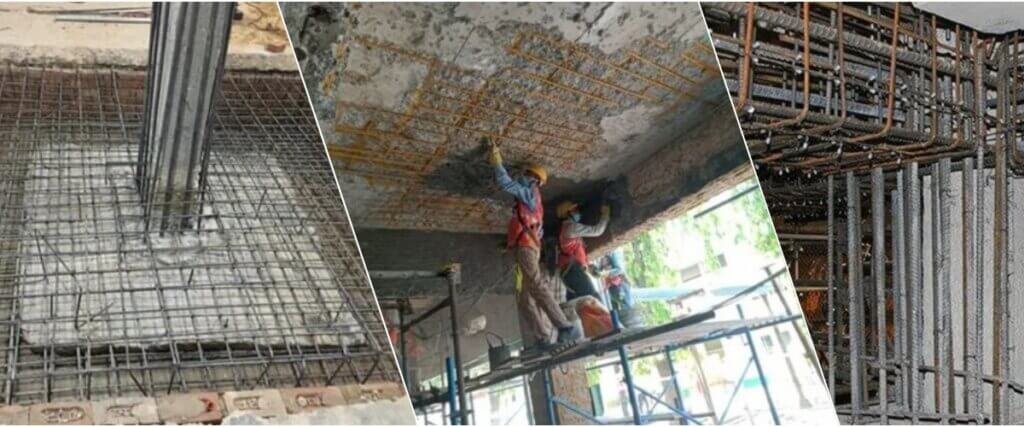
Understanding Structural Damage
Structural damage can develop slowly or appear suddenly after an external impact. Common causes include water seepage, poor construction quality, soil movement, and long-term load stress. Over time, these factors compromise beams, columns, slabs, and foundations. Structural repairs are designed to diagnose these hidden weaknesses early, preventing minor defects from escalating into major safety risks or expensive reconstruction work.
Importance of Timely Structural Repairs
Delaying repairs often leads to higher costs and increased safety concerns. Small cracks can widen, reinforcement steel can corrode further, and load-bearing elements may weaken. Timely structural repairs help extend the life of buildings while preserving their value. For homeowners, commercial property owners, and housing societies, early intervention reduces disruption and avoids emergency repair situations.
Early Signs Your Building Needs Attention
Visible cracks in beams or columns, sagging slabs, water seepage, rust stains, and spalling concrete are common warning signs. Doors or windows that no longer align properly may indicate foundation movement. These symptoms often start small but worsen quickly if ignored. Timely Structural repairs at this stage help prevent extensive rehabilitation and reduce long-term repair costs.
Importance of Structural Safety in Urban Areas
In densely populated cities, structural safety is not just a personal concern but a public responsibility. Older residential buildings, commercial complexes, and industrial structures face constant stress from traffic vibrations and redevelopment activities. Regular assessment and Structural repairs ensure compliance with safety standards, protect occupants, and extend the service life of buildings in high-risk urban environments.
Difference Between Structural Repairs and Renovation
Many people confuse structural repair work with renovation. Renovation focuses on aesthetics, layout changes, and surface upgrades, while Structural repairs strengthen the building’s skeleton. Painting over cracks or replacing tiles does not solve underlying issues. Structural repair addresses the root cause, ensuring the building remains stable, safe, and capable of handling loads as originally designed.
Role of Structural Audits and Assessments
A structural audit is the first step before starting any repair work. Engineers assess damage through visual inspection, non-destructive testing, and material evaluation. This process identifies weak zones, corrosion levels, and load capacity reduction. Accurate assessment ensures that Structural repairs are targeted, cost-effective, and technically sound, avoiding unnecessary or ineffective repair methods.
Popular Methods Used in Structural Strengthening
Modern Structural repairs use advanced techniques such as crack injection, micro-concreting, jacketing, and fiber reinforcement. These methods restore lost strength without demolishing the structure. Selection depends on damage type, location, and building usage. Proper execution improves load-carrying capacity and durability while minimizing disruption to occupants and surrounding areas.
Structural Repairs for Aging Buildings
Older buildings often suffer from material fatigue, outdated construction practices, and long-term environmental exposure. Regular Structural repairs help extend their lifespan and improve safety. Instead of opting for demolition, strengthening existing structures is often more economical and sustainable. With proper repair planning, aging buildings can meet modern safety and usage requirements effectively.
Impact of Water Seepage on Structural Stability
Water is one of the biggest enemies of reinforced concrete structures. Continuous seepage leads to steel corrosion, concrete cracking, and loss of bond strength. Over time, this severely weakens load-bearing elements. Addressing waterproofing issues alongside Structural repairs is crucial to prevent recurring damage and ensure long-term structural performance.
Structural Repairs in Commercial and Industrial Buildings
Commercial and industrial buildings carry heavier loads and experience constant operational stress. Cracks or deformation can disrupt business activities and pose safety risks. Timely Structural repairs help maintain operational continuity and protect investments. Strengthening columns, slabs, and foundations ensures these buildings can safely support machinery, storage loads, and human occupancy.
Cost Factors Involved in Structural Repair Work
The cost of Structural repairs depends on damage severity, repair method, accessibility, and building size. Early intervention usually costs less than delayed action. Ignoring minor cracks can lead to major rehabilitation expenses later. Investing in timely repairs reduces long-term maintenance costs and avoids emergency repair situations that are often more expensive.
How Structural Repairs Improve Property Value
Well-maintained structures have higher market value and buyer confidence. Buildings with documented Structural repairs and safety assessments attract investors and tenants. Repair work not only restores strength but also improves usability and compliance with regulations. This makes the property more appealing in competitive real estate markets, especially in urban and commercial zones.
Sustainability and Structural Repairs
Repairing and strengthening existing buildings is more sustainable than demolition and reconstruction. Structural repairs reduce construction waste, conserve raw materials, and lower carbon emissions. By extending a building’s life, repair work supports environmentally responsible development while meeting safety and functional requirements without unnecessary resource consumption.
Choosing the Right Time for Structural Repairs
The best time for Structural repairs is when early signs appear, not after major damage occurs. Regular inspections, especially for buildings older than fifteen years, help identify issues early. Planned repair work is less disruptive and more cost-effective than emergency interventions. Proactive maintenance ensures safety and long-term performance.

Role of Professional Expertise in Structural Repairs
Structural repair work requires technical knowledge, experience, and precision. Improper methods can worsen damage instead of fixing it. Professional planning ensures the right materials, techniques, and execution standards are followed. Expert-led Structural repairs deliver durable results, improve safety, and ensure compliance with engineering guidelines and building regulations.
Structural repairs are an investment in safety, durability, and peace of mind. They protect occupants, preserve property value, and extend the life of buildings. Whether residential, commercial, or industrial, timely repair work prevents major failures and costly rebuilds. Understanding the importance of structural health helps building owners make informed, responsible decisions for the future.


Comments
Post a Comment